

Your Digital Handshake Defines Your Coaching Business
For a remote coach, the first client interaction is silent. It happens the moment a potential client sees your profile picture on LinkedIn or your website. This image is your digital handshake, and in a remote-first world, it carries the full weight of a first impression. Before a single word is exchanged, that photo has already begun to build or erode trust.
A low-quality image is not a neutral placeholder; it is an active liability. A blurry selfie or a poorly lit photo can instantly undermine your perceived expertise, suggesting a lack of professionalism or attention to detail. Remote professionals do not have the luxury of an in-person meeting to establish credibility with a firm handshake and confident presence. Their entire persona is initially judged by this single visual cue. One of the most critical remote coaching business tips is to treat this image not as an afterthought, but as a foundational business asset.
The Shift from Studio Sessions to AI-Powered Portraits
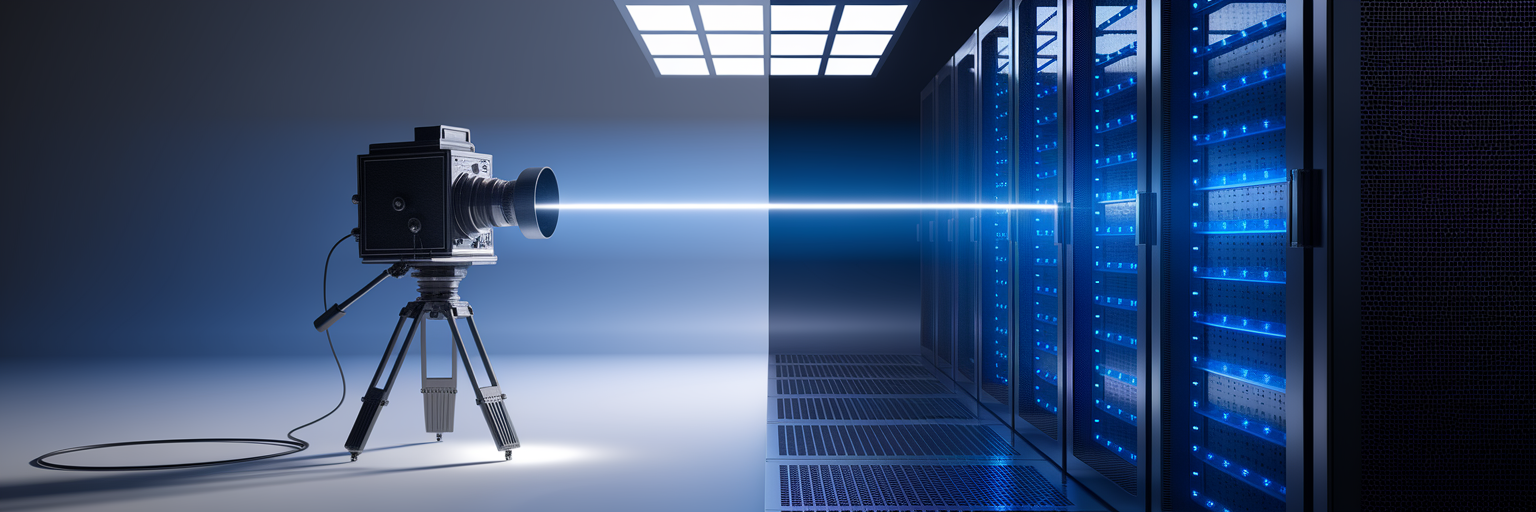
The challenge of securing a professional headshot has traditionally involved a significant investment of time and money. Studio sessions are expensive, scheduling is inconvenient, and the final output is often limited to a handful of images. This old model simply does not fit the agile needs of a modern remote coach. Today, the solution is an AI photo generator for professionals, a technology that acts as your personal, on-demand photographer.
This shift is not a niche trend. Industry analysis from PhotoAI.com indicates that the AI headshot market has already produced over 26 million images, saving users an estimated $520 million in traditional photography costs. Instead of a one-time photoshoot, you can upload a few casual selfies and generate hundreds of variations. You can test different styles, outfits, and backgrounds to perfectly match your coaching brand, whether you need to appear authoritative, approachable, or creative. This makes professional branding accessible, turning what was once a luxury into a modest and strategic business expense. With our affordable packages, you gain a powerful tool for continuous brand refinement.
A Practical Guide to Generating Your Best AI Headshot
The quality of your AI-generated headshot is directly tied to the quality of the photos you provide. The principle is simple: garbage in, garbage out. To get studio-grade results, you must give the AI clear and varied data to work with. As documented by professionals like Nick Zviadadze on LinkedIn, a streamlined process using AI tools can effectively replace multiple studio sessions when done correctly.
Start by curating a strong set of input images. For more detailed guidance, you can review the tips in our guide on taking headshots at home, but the core rules are straightforward. Once you have your photos, the next step is choosing a platform. When selecting the best AI headshot generator, look for one that offers a wide range of styles. This is where you align the visual with your brand. A wellness coach might select styles with soft, natural lighting, while an executive coach may opt for a bolder, high-contrast look to convey authority. This strategic selection is how you transform a simple photo into a targeted branding tool.
| Guideline | Do This | Don't Do This |
|---|---|---|
| Image Quality | Use high-resolution photos (at least 1024px) | Upload blurry, pixelated, or small images |
| Lighting | Take photos in natural, even daylight | Use harsh artificial light, heavy shadows, or flash |
| Expression | Provide a mix of smiles and neutral expressions | Use the same expression in every photo |
| Attire & Background | Vary your outfits and have simple, uncluttered backgrounds | Wear sunglasses, hats, or use busy backgrounds |
| Photo Type | Upload clear, chest-up selfies or portraits | Use group photos, full-body shots, or filtered images |
Finally, avoid common pitfalls that can compromise your results. Do not use old photos that no longer look like you, pictures with heavy filters, or images where your face is obscured. The workflow is clear: curate great input images, select a platform, choose brand-aligned styles, and generate your new professional identity.
Measuring the Business Impact of a Professional Image

A professional headshot is more than just a nice-to-have; it is a revenue-driving asset. The data is clear: profiles with high-quality, professional headshots for LinkedIn can receive up to 230% more engagement. For a remote coach, this statistic is not a vanity metric. It represents the top of your client acquisition funnel. More engagement leads to more profile views, which in turn generates more connection requests and inbound messages. This is how you build personal brand online in a way that directly translates to business growth.
Think of your headshot as a silent salesperson working for you 24/7. It qualifies you in the eyes of a potential client before they even read your bio. In the competitive coaching market of 2025, this initial visual validation can be the deciding factor between a client scrolling past your profile or clicking to learn more. By investing in a polished image, you are not just improving your profile; you are implementing a fundamental client acquisition strategy. As our LinkedIn optimization tools demonstrate, a powerful image is the catalyst that makes every other part of your profile work harder.
Balancing AI Perfection with Human Authenticity
The most common hesitation with AI headshots for coaches is the fear of appearing inauthentic. It is a valid concern. There is a fine line between a professionally polished image and one that feels overly edited or disconnected from reality. The goal is not to create a flawless, artificial version of yourself, but to present the best, most professional version of your authentic self. Trust is the currency of coaching, and your headshot must support it, not undermine it.
To maintain that trust, follow a few key strategies:
- Select for Resemblance: Choose the AI-generated images that look the most like you on your best day, not a completely different person.
- Stay Current: As career-branding specialist Sarah Johnston notes in an article for BriefcaseCoach.com, you should refresh your headshot every two to three years. This helps you avoid the "pandemic-era aging" effect, where an outdated photo creates a subtle disconnect when you finally meet a client on a video call.
- Be Transparent: Consider adding a lighthearted note in your bio mentioning your headshot is AI-assisted. This can build trust through honesty.
Ultimately, authenticity comes from the alignment between your visual brand and your professional identity. You can use our free personal brand statement generator to clarify your message, ensuring your new headshot visually communicates the same values you express in words.
The Future Integration of AI in Personal Branding
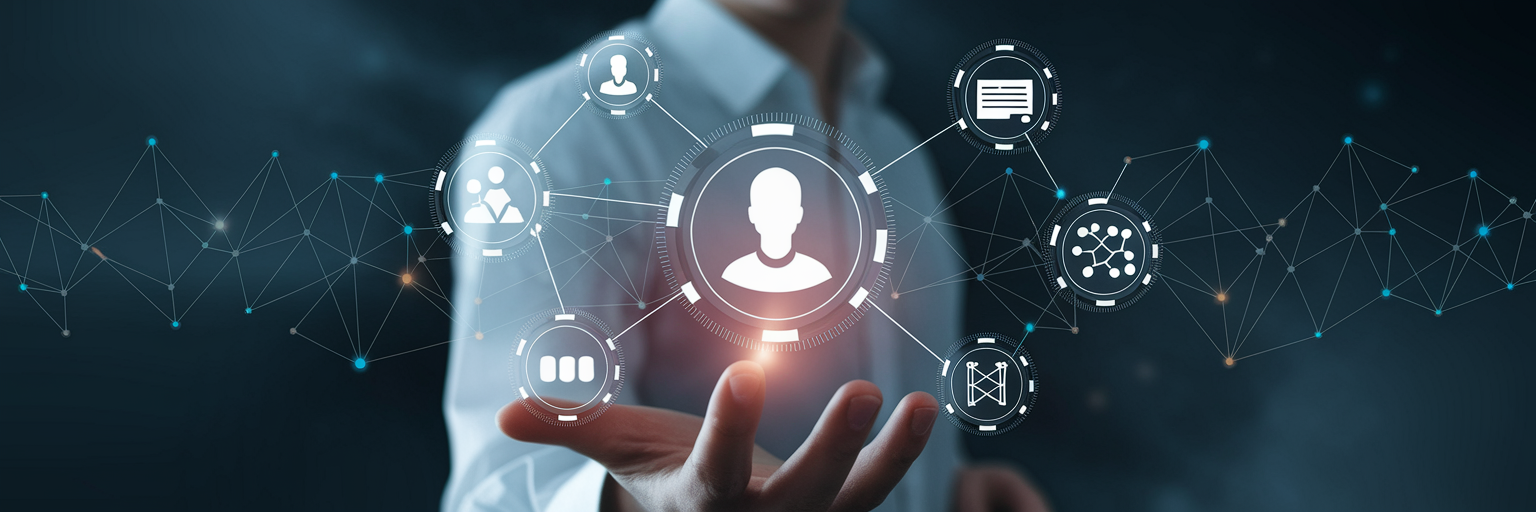
The AI headshot is just the beginning. Looking ahead, the true competitive advantage will come from integrating your visual identity into a broader ecosystem of AI-powered branding tools. Imagine a system where your professional headshot is seamlessly used across AI-generated LinkedIn posts, personalized outreach emails, and even AI-driven analytics that score potential leads based on their engagement with your profile.
This creates a cohesive and powerful brand presence where your visual identity is consistently amplified by intelligent automation. For remote coaches, early adoption of this integrated strategy is a significant opportunity. The AI headshot is the foundational piece, the visual anchor for a much larger, automated branding engine that will define how you build personal brand online in the coming years. To stay ahead of these developments, explore the insights and trends we share on our blog.