


The New Handshake Is a Headshot
We all know that first impressions are formed instantly. In fact, a finding from Princeton psychologists Willis and Todorov demonstrated that people form trust judgments about a face in just 100 milliseconds. With more than 23 percent of U.S. workers now operating remotely according to the BLS, that critical first impression no longer happens in a boardroom. It happens on a screen. In this digital-first environment, the subtle cues we once relied on, like a firm handshake or confident posture, have vanished.
Your headshot is now the primary signal of your professionalism. It’s the digital handshake that precedes every Slack message, email, and video call. A blurry webcam photo, an outdated picture from a vacation, or worse, no photo at all, can unintentionally undermine your credibility. Before a single word is exchanged, these visual missteps make it harder to build trust in remote teams, creating a deficit that you then have to work to overcome.
The High Cost of Visual Disarray
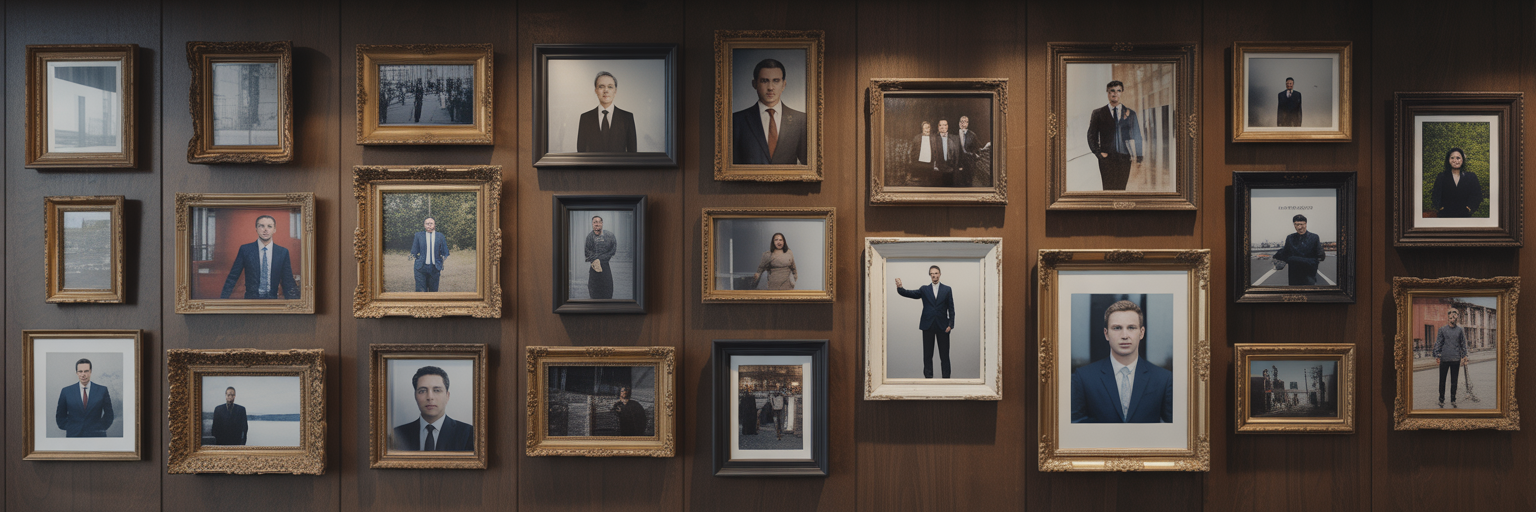
When a team’s digital presence is a collage of selfies, avatars, and poorly lit photos, it creates what can be called visual chaos. This is more than just an aesthetic issue. It projects disorganization and a lack of unity that both clients and colleagues can feel. Think about it: when you see a team page where one person has a studio portrait and another has a cropped photo from a wedding, what does that signal about the company’s attention to detail?
This inconsistency has tangible costs. A case study from AI Headshot Reviews noted that one company, DataStream Solutions, saw client-reported communication problems rise 40 percent after its website displayed a mishmash of photos. Clients perceived them as less professional and coordinated. This visual disunity can undermine efforts to present a unified front, a key component of what our professional team page generator helps create. Without consistent team headshots, the perception of stability and reliability erodes, making it difficult for remote workers to establish the baseline trust needed for effective collaboration.
| Metric | Visual Chaos (Inconsistent Headshots) | Visual Cohesion (Consistent Headshots) |
|---|---|---|
| Client First Impression | Perceived as disorganized, less credible | Perceived as professional, stable, and unified |
| Internal Team Morale | Creates a sense of disconnect and inequality | Reinforces a shared identity and sense of belonging |
| Brand Credibility | Erodes brand consistency and trust | Strengthens brand identity and professionalism |
| Onboarding Experience | Confusing for new hires, lacks professionalism | Signals a structured and organized company culture |
AI Headshots as a Strategic Branding Tool
The solution to visual chaos is not to coordinate expensive photoshoots across different cities. Instead, AI-generated headshots have emerged as a powerful tool for virtual team branding. These platforms empower organizations to create a standardized, professional, and cohesive visual identity for their entire workforce, no matter where they are located. This is not a niche trend. The rapid adoption of these platforms, with providers like AiProPortrait listing over 5,000 teams served, signals a strategic shift in how companies manage their brand.
By providing every team member with a high-quality, on-brand headshot, a company sends a clear message. It tells clients, partners, and new hires that the organization is organized, stable, and unified. This consistency transforms individual employee profiles into extensions of the corporate brand, reinforcing a collective identity. This is why many organizations now turn to enterprise-grade solutions to manage their AI generated headshots for teams at scale, ensuring every digital touchpoint reflects their commitment to professionalism.
The Technology Driving Professional Consistency
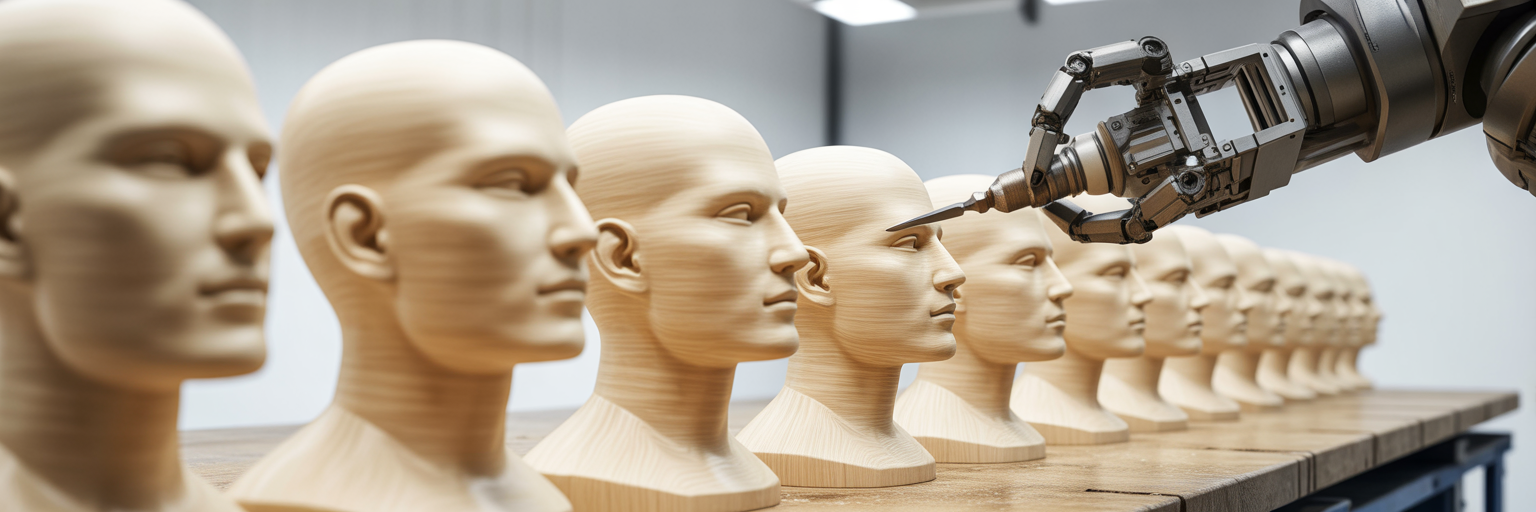
So how does a simple selfie become a studio-quality portrait? The process is driven by a sophisticated AI headshot generator that analyzes facial features to create new, photorealistic images. It’s like having a virtual photographer who can apply consistent lighting, backgrounds, and professional styling to every photo, ensuring the entire team looks polished and unified. The technology offers several key advantages for remote teams:
- Automated Styling: The AI automatically applies consistent lighting, color correction, and backgrounds, removing the guesswork and variability of individual photos.
- Enhanced Quality: Features like AI-upscaling and sharpening ensure every photo is crisp and clear, meeting a professional standard that webcam photos simply cannot match.
- Unmatched Scalability: The workflow can scale from a single freelancer to thousands of employees without the logistical friction of coordinating traditional photoshoots.
This approach also makes professional branding accessible to everyone. As TroopMessenger notes, AI generators deliver “professional photographs for a much lower price than a professional photographer,” democratizing access to high-quality visuals. This affordability ensures that consistent team headshots are no longer a luxury but a standard for all employees.
The Psychology of a Trustworthy Headshot
A professional headshot does more than just make you look good. It taps into deep-seated psychological triggers that build trust. This is due to a cognitive bias known as the halo effect, where a polished appearance leads observers to infer other positive traits like competence, reliability, and intelligence. When your photo looks professional, people are more likely to assume your work is too.
Modern AI can subtly refine the micro-expressions that trigger these positive responses. This phenomenon, which Headyshot calls the “trust effect,” is backed by LinkedIn’s internal data showing that profiles with strong, professional photos achieve markedly higher visibility. AI helps engineer an image that amplifies the specific visual cues humans associate with trustworthiness:
- Direct eye contact to convey confidence and honesty.
- A slight, genuine smile to signal approachability and warmth.
- Open posture to project trustworthiness and transparency.
These elements are not just about aesthetics. They are about communication. On platforms where your image is your primary introduction, a strong LinkedIn profile picture is essential. It’s not just a photo. It’s a carefully crafted tool designed to make a positive first impression, making it one of the most important assets for anyone seeking professional headshots for LinkedIn.
Navigating Authenticity and Bias in AI Imagery

Of course, with any new technology, there are valid questions. Some worry that AI-generated images can feel artificial or blur the line of authenticity. Another important consideration is algorithmic bias, where training data can inadvertently reinforce stereotypes. We believe the answer is not to dismiss the technology but to choose platforms that prioritize user control and ethical design.
The key is to ensure the final output is both professional and recognizably you. The best way to achieve this is to follow a quickstart guide that helps you provide the right input photos, giving the AI a clear and accurate foundation to work from. Furthermore, leading platforms are actively addressing concerns about representation. To combat this, providers like HeadshotPro offer extensive libraries, with over 350 outfits and 100 backdrops, to give teams granular control over their representation. This level of customization allows individuals to align their headshot with both their personal identity and their company’s brand standards.
Ultimately, the goal is to strike a balance between brand consistency and individual authenticity. By giving users the tools to guide the AI, we can create headshots that are both polished and genuine, reflecting the true diversity of a team.
The Future of Visual Identity in Remote Work
The visual trust problem in remote work is real, but it is also solvable. Centralized, AI-powered solutions are already helping thousands of companies standardize their appearance and build credibility from the first click. Looking ahead, this technology will become even more integrated into the corporate ecosystem. We can expect to see AI headshot platforms connect with enterprise systems like Single Sign-On and HR software, making a professional headshot a standard part of the employee onboarding process.
This consistency extends beyond just headshots. Maintaining a consistent online presence with scheduled content and unified messaging is equally critical for a cohesive brand strategy. As this technology becomes standard, platforms like Ritratt are defining the new benchmark for professional visual identity. AI generated headshots for teams are quickly moving from a nice-to-have perk to a baseline requirement for any organization that depends on virtual collaboration, serving as a measurable asset for building both internal cohesion and external confidence.